
The Ultimate Guide to Choosing the Right Staging Style
Modern, Scandinavian, or Luxury? Our comprehensive guide helps you choose the perfect staging style for your target market.
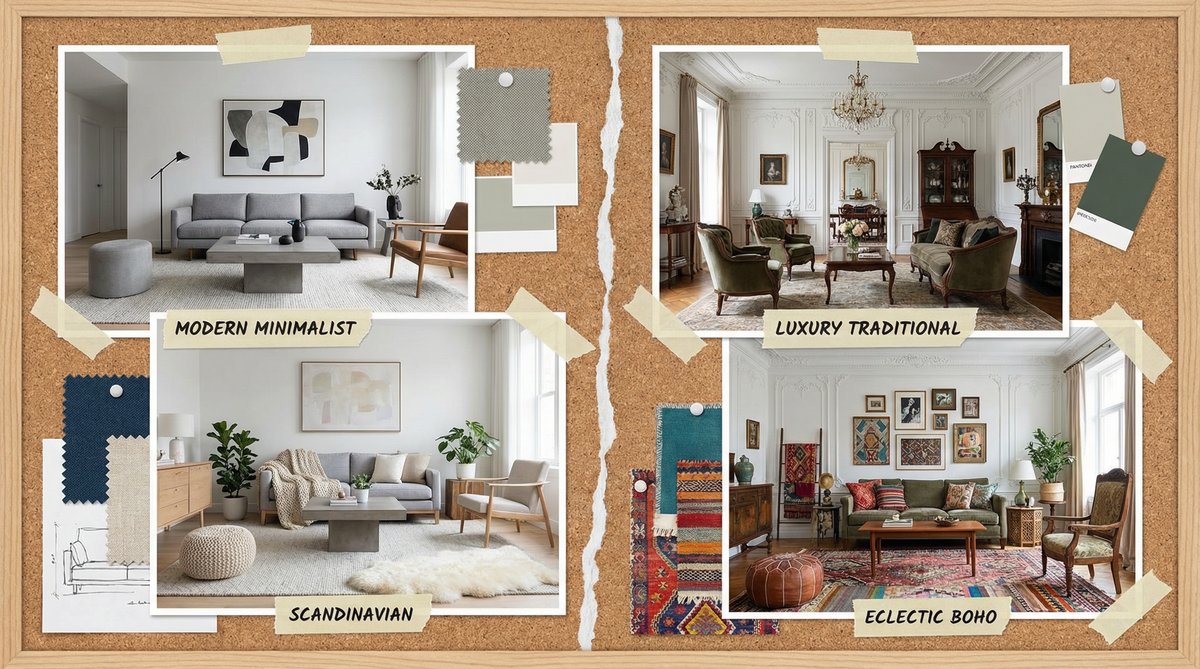
Understanding Your Target Market
The key to effective staging is understanding who will be viewing your listing. A downtown loft appeals to different buyers than a suburban family home. Your staging style should reflect your ideal buyer's aesthetic preferences.
Before selecting a style, consider:
- Location: Urban, suburban, or rural?
- Price point: Entry-level, mid-range, or luxury?
- Demographics: Young professionals, families, or retirees?
- Architecture: Modern, traditional, or transitional?
Modern Style
Characteristics: Clean lines, neutral colors, and minimal ornamentation.
Modern staging is perfect for:
- Urban properties and condos
- Homes targeting young professionals
- Properties with contemporary architecture
- Spaces where you want to emphasize openness
Key elements:
- Geometric furniture shapes
- Monochromatic color schemes
- Metal and glass accents
- Minimal decorative items
Scandinavian Style
Characteristics: Warm minimalism with natural materials, soft textures, and cozy elements.
Scandinavian staging works well for:
- Properties in cooler climates
- Design-conscious buyers
- Smaller spaces that need to feel larger
- Homes with good natural light
Key elements:
- Light wood tones
- White and neutral palette
- Textured textiles (wool, linen)
- Plants and natural elements
Luxury Style
Characteristics: Rich materials, statement pieces, and sophisticated color palettes.
Luxury staging is ideal for:
- High-end properties
- Executive homes
- Properties with premium finishes
- Buyers expecting designer aesthetics
Key elements:
- Velvet and silk fabrics
- Gold and brass accents
- Statement lighting fixtures
- Art and sculptural pieces
Transitional Style
Characteristics: The perfect blend of traditional and contemporary.
Transitional staging appeals to:
- The widest audience
- Properties with mixed architectural elements
- Buyers who appreciate timeless design
- When you're unsure of your target demographic
Key elements:
- Comfortable, classic furniture
- Neutral color palette with subtle accents
- Mix of textures and materials
- Balanced, symmetrical arrangements
Contemporary Style
Characteristics: Current trends with artistic flair.
Contemporary staging suits:
- Newly built properties
- Trend-forward buyers
- Properties with unique architectural features
- Urban and suburban homes alike
Key elements:
- Bold accent colors
- Curved furniture shapes
- Mixed materials
- Statement art pieces
Minimal Style
Characteristics: Less is more—essential pieces only.
Minimal staging works for:
- Small spaces
- Properties where architecture is the star
- Buyers who value simplicity
- Quick, budget-conscious staging
Key elements:
- Essential furniture only
- Monochromatic palette
- Clean, uncluttered surfaces
- Focus on space and light
Making Your Choice
When in doubt, transitional style is the safest choice as it appeals to the broadest audience. However, matching your staging to your target market will always yield better results.
With SmartStage.AI, you can easily try multiple styles on the same property to see which resonates best—a luxury that traditional staging simply can't offer.
Ready to Transform Your Listings?
Start your free trial with 5 credits and see the difference AI virtual staging can make for your business.
SmartStage Team
The SmartStage.AI team is dedicated to helping real estate professionals transform their listings with AI-powered virtual staging. We share insights, tips, and best practices to help you succeed.
View all articles