
The Complete Guide to Virtual Staging in 2026
Everything you need to know about virtual staging—from understanding the technology to implementing it effectively in your real estate business. Learn costs, ROI, best practices, and common mistakes to avoid.
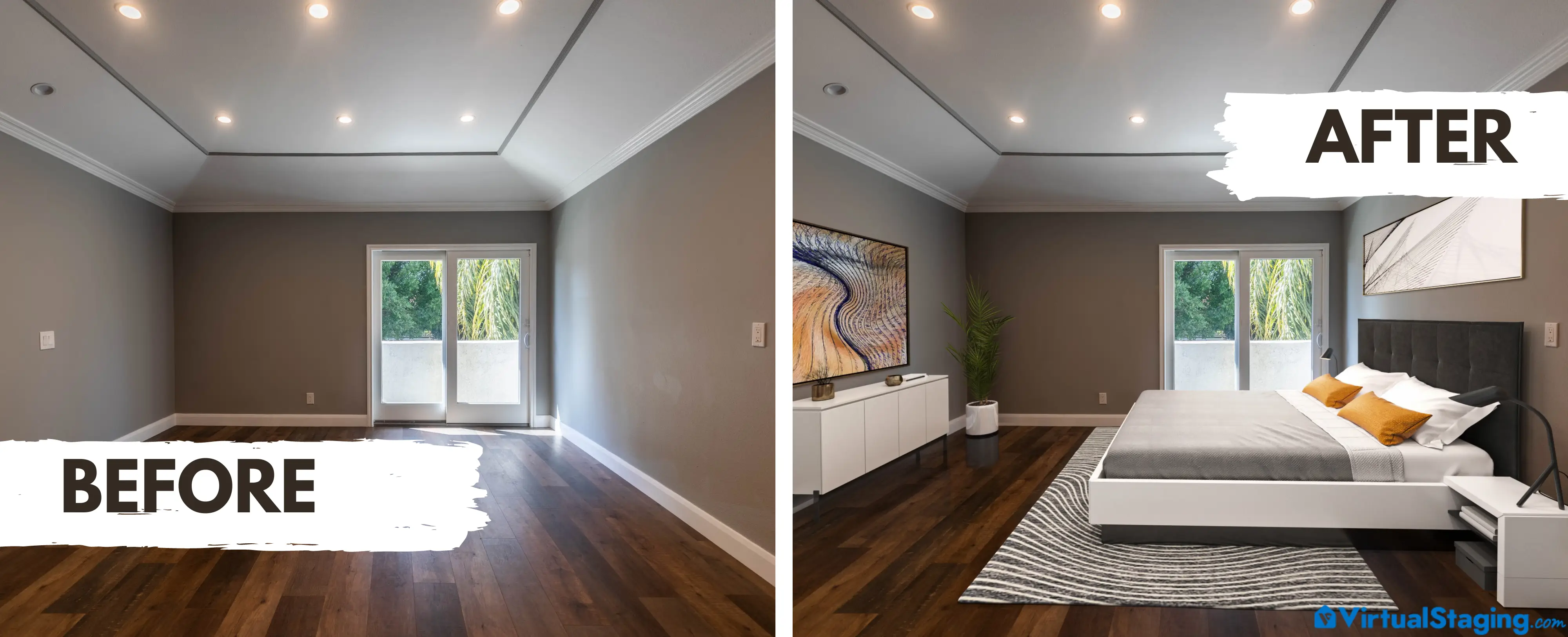
Virtual staging has revolutionized how real estate professionals market properties. What once required thousands of dollars and weeks of coordination can now be accomplished in hours for a fraction of the cost. This comprehensive guide covers everything you need to know about virtual staging—from understanding the technology to implementing it effectively in your real estate business.
What is Virtual Staging?
Virtual staging is the process of digitally furnishing and decorating empty or outdated rooms in real estate photos using computer software and artificial intelligence. Instead of physically moving furniture into a property, designers or AI systems add realistic-looking furniture, decor, and styling directly to photographs.
The technology has evolved dramatically over the past decade. Early virtual staging required skilled Photoshop artists spending hours manually placing and adjusting furniture. Today, AI-powered platforms like SmartStage.AI can generate photorealistic staged images in minutes, making professional staging accessible to every real estate professional regardless of budget.
Modern virtual staging uses advanced machine learning algorithms trained on millions of interior design images. These systems understand spatial relationships, lighting, perspective, and design principles, allowing them to place furniture that looks naturally integrated into the space. The results are often indistinguishable from photographs of traditionally staged homes.
How Virtual Staging Works
The virtual staging process typically follows these steps. First, you photograph the empty or outdated room using standard real estate photography techniques. The key is capturing good lighting, proper angles, and clean spaces. Next, you upload the photos to a virtual staging platform. Advanced AI systems analyze the room's dimensions, lighting, and architectural features automatically.
Then you select your preferred design style—modern, traditional, minimalist, luxury, or any number of specialized aesthetics. The AI system generates furniture and decor that matches both the style and the specific characteristics of your room. Finally, you receive the staged images, typically within hours or even minutes depending on the platform.
The technology behind modern virtual staging is sophisticated. AI models understand perspective and can place three-dimensional furniture at the correct angle and scale. They analyze lighting conditions in the original photo and apply matching shadows and highlights to make furniture look naturally lit. Advanced systems even account for reflections in windows and mirrors, ensuring complete photorealism.
Virtual Staging vs Traditional Staging: The Complete Comparison
Understanding the differences between virtual and traditional staging helps you make informed decisions for your properties. Traditional staging involves renting physical furniture, hiring movers, coordinating delivery and setup, and maintaining the staging for weeks or months. A typical traditional staging project costs between two thousand and five thousand dollars per month for a standard home, with luxury properties easily exceeding ten thousand dollars monthly.
Virtual staging, by contrast, typically costs twenty-five to fifty dollars per image. For an entire property with ten rooms, you might spend five hundred dollars total—a ninety-seven percent cost savings compared to three months of traditional staging. The time difference is equally dramatic. Traditional staging requires one to two weeks for coordination, delivery, and setup, while virtual staging delivers results in hours or days.
Quality has reached a point where most buyers cannot distinguish virtually staged photos from traditionally staged ones until they visit the property in person. Modern AI-generated staging achieves photorealistic results that effectively showcase a property's potential. The key is proper disclosure—MLS guidelines and ethical standards require clearly marking virtually staged photos.
Traditional staging still has advantages in specific scenarios. Luxury properties with frequent in-person showings and open houses benefit from the tangible experience of walking through beautifully furnished spaces. Properties in competitive markets where multiple buyers tour homes in person may justify the premium investment. However, for the vast majority of listings where buyers form their first impression online, virtual staging delivers equivalent results at a fraction of the cost.
The Business Case: ROI and Statistics
The return on investment for virtual staging is compelling. Research consistently shows that staged homes sell seventy-three percent faster than non-staged homes. They also command six to twenty-five percent higher sale prices. Since most buyers begin their search online—ninety-seven percent according to recent studies—the quality of your listing photos directly impacts your success.
Consider a typical scenario. A property listed at four hundred thousand dollars sits on the market for ninety days unstaged. With virtual staging costing three hundred dollars, if the home sells just two weeks faster, you've saved the seller approximately three thousand dollars in carrying costs including mortgage, utilities, and maintenance. If the staged photos help achieve even a one percent higher sale price, that's an additional four thousand dollars—more than ten times your staging investment.
For real estate professionals managing multiple listings, the economics become even more favorable. A realtor with ten active listings spending three thousand dollars on virtual staging across all properties versus thirty thousand dollars for traditional staging represents significant cost savings. Property managers handling rental units see similar benefits, with virtually staged listings generating forty percent more applications and reducing vacancy periods by an average of nine days.
The data is particularly strong for vacant properties. Empty rooms photograph poorly—they appear smaller, colder, and less inviting than furnished spaces. Studies show that vacant homes sell for an average of six percent less than comparable furnished homes and sit on the market thirty percent longer. Virtual staging solves this problem at minimal cost.
When to Use Virtual Staging
Virtual staging is particularly effective in several scenarios. Vacant properties are the ideal use case. Empty rooms lack visual interest and make it difficult for buyers to envision the space's potential. Virtual staging transforms these sterile environments into warm, inviting homes that help buyers imagine themselves living there.
Properties with outdated furnishings or decor also benefit significantly. Rather than asking sellers to remove their personal belongings or invest in updates before listing, you can virtually stage photos to show the home's potential with modern styling. This approach is especially valuable when sellers are still living in the property.
Multiple listing strategies represent another powerful application. You can create different staged versions of the same room targeting different buyer demographics. Show a home office setup for remote workers, a nursery for young families, or a gym for fitness enthusiasts—all from the same empty room. This flexibility helps you appeal to a broader range of potential buyers.
Budget-conscious sellers who cannot afford traditional staging but still want professional presentation benefit enormously from virtual staging. For a few hundred dollars, they can achieve listing photos that compete with traditionally staged homes costing thousands.
Properties marketed primarily online, which includes virtually all listings in 2026, see the greatest benefit from virtual staging. Since buyers form their first impression from photos, and virtual staging is visually equivalent to traditional staging in photographs, you achieve the same marketing impact at dramatically lower cost.
Virtual Staging Best Practices
Success with virtual staging requires following proven best practices. Start with high-quality photography. Virtual staging can only enhance good photos—it cannot fix poor lighting, bad angles, or dirty spaces. Invest in professional real estate photography or learn proper techniques yourself. Ensure rooms are clean, well-lit, and photographed from flattering angles that showcase the space.
Choose appropriate design styles that match your target market and the property's architecture. A modern minimalist aesthetic works well for urban condos targeting young professionals, while traditional styling suits suburban family homes. Luxury properties demand high-end furniture and sophisticated design. The AI should enhance the property's natural appeal, not fight against its architectural style.
Always disclose virtual staging clearly. MLS guidelines typically require watermarks or captions stating "Virtually Staged" on enhanced photos. Ethical disclosure builds trust with buyers and protects you from potential complaints. Most buyers appreciate seeing the potential of a space and don't mind virtual staging as long as it's clearly identified.
Maintain consistency across your listing. If you virtually stage some rooms, consider staging all main living areas to provide a cohesive vision. Mixing staged and unstaged photos can create confusion about the property's actual condition. Include both staged and unstaged versions in your listing so buyers can see the actual space alongside the potential.
Focus on key rooms that drive buying decisions. Living rooms, master bedrooms, kitchens, and dining areas have the greatest impact on buyer perception. You don't need to stage every closet and bathroom—concentrate your budget on spaces where staging delivers the highest return.
Virtual Staging Styles and Design Trends
Understanding popular design styles helps you choose the right aesthetic for each property. Modern contemporary styling features clean lines, neutral color palettes, and minimalist furniture. This style works well for urban properties, new construction, and buyers seeking a sleek, uncluttered aesthetic. It's particularly popular with younger buyers and tech professionals.
Traditional styling incorporates classic furniture, warm colors, and timeless design elements. This approach suits suburban family homes, colonial architecture, and markets with more conservative buyer preferences. Traditional staging creates a sense of established comfort and appeals to buyers seeking a classic home environment.
Transitional design blends modern and traditional elements, creating a balanced aesthetic that appeals to the broadest range of buyers. This versatile style works well when you're unsure of your target demographic or want to maximize appeal across different buyer segments.
Luxury staging employs high-end furniture, sophisticated color schemes, and designer-quality pieces. This style is essential for properties above the one million dollar price point where buyers expect premium presentation. Luxury staging should feel aspirational while remaining tasteful and not overly ostentatious.
Scandinavian and minimalist styles emphasize simplicity, natural materials, and functional design. These aesthetics are increasingly popular, particularly in urban markets and with environmentally conscious buyers. The clean, uncluttered look helps smaller spaces feel larger and more open.
Coastal and resort styles work well for vacation properties, beach homes, and markets where lifestyle selling is important. These designs incorporate light colors, natural textures, and relaxed furnishings that evoke a sense of escape and relaxation.
Technical Considerations and Quality Standards
Achieving professional results requires attention to technical details. Image resolution matters significantly—start with high-resolution source photos, ideally at least four thousand pixels wide. Low-resolution images limit the quality of virtual staging and may look pixelated when buyers zoom in on listing photos.
Lighting consistency is crucial for photorealism. The AI-generated furniture must match the lighting conditions in your original photo. Advanced platforms analyze the direction, intensity, and color temperature of existing light and apply matching shadows and highlights to staged furniture. Pay attention to windows and light sources in your original photos.
Perspective and scale accuracy separate professional virtual staging from amateur results. Furniture must be placed at the correct angle and size for the room's perspective. Modern AI systems handle this automatically, but it's worth reviewing results to ensure furniture looks naturally integrated rather than pasted onto the image.
Detail and texture quality contribute to photorealism. High-quality virtual staging includes realistic fabric textures, wood grain, and material properties that match real furniture. Avoid platforms that use flat, cartoon-like furniture that obviously looks digital.
Reflection and shadow rendering adds the final touch of realism. Furniture should cast appropriate shadows based on the room's lighting, and reflective surfaces like windows and mirrors should show corresponding reflections when applicable.
Common Virtual Staging Mistakes to Avoid
Even with great technology, certain mistakes can undermine your results. Over-staging is a frequent error—cramming too much furniture into a room makes it look cluttered and small. The goal is to showcase the space, not fill every inch. Leave appropriate walking paths and breathing room around furniture.
Choosing inappropriate styles for the property or market wastes the potential of virtual staging. A ultra-modern aesthetic in a traditional colonial home looks incongruous. Research your market and understand what local buyers expect and appreciate.
Poor quality source photos cannot be saved by virtual staging. If your original image has bad lighting, awkward angles, or dirty spaces, the staged result will still look unprofessional. Always start with the best possible photography.
Failing to disclose virtual staging creates ethical and potentially legal problems. Buyers who feel deceived are more likely to back out of deals or file complaints. Transparency builds trust and protects your reputation.
Inconsistent staging across a listing confuses buyers. If you stage the living room in a modern style and the bedroom in traditional style, the disconnect undermines the cohesive vision you're trying to create. Maintain a consistent aesthetic throughout the property.
Neglecting to show the actual empty space alongside staged versions can lead to buyer disappointment during showings. Include both versions in your listing to set appropriate expectations.
Legal and Ethical Considerations
Understanding the legal landscape of virtual staging protects you and your clients. Most MLS systems require disclosure of virtual staging, typically through watermarks or captions on enhanced photos. Specific requirements vary by region and MLS, so familiarize yourself with local rules.
The National Association of Realtors and similar professional organizations have issued guidelines emphasizing transparency in virtual staging. The core principle is that buyers should never be misled about a property's actual condition. Virtual staging should enhance presentation while maintaining honest representation.
Fair housing laws apply to virtual staging just as they do to traditional marketing. Avoid staging choices that could be perceived as targeting or excluding protected classes. For example, staging a room as a nursery might suggest the property is intended for families with children, potentially running afoul of familial status protections.
Copyright considerations apply to virtual staging software and images. Use licensed platforms and ensure you have rights to use and distribute the staged images. Most professional virtual staging services include appropriate licenses in their pricing.
Liability concerns arise if buyers claim they were misled by virtual staging. Proper disclosure and showing both staged and unstaged versions of photos provides protection. Document your disclosure practices and maintain records of how properties were marketed.
Integration with Your Real Estate Workflow
Successfully incorporating virtual staging into your business requires systematic processes. Develop a standard workflow that includes photographing properties with virtual staging in mind. Shoot empty rooms from multiple angles to give yourself options for staging. Ensure excellent lighting and clean spaces before photography.
Create a decision framework for when to use virtual staging. Not every property requires it, but vacant homes, outdated interiors, and properties in competitive markets are strong candidates. Consider your budget, timeline, and the property's specific marketing needs.
Build virtual staging costs into your listing presentations and marketing budgets. Educate sellers on the benefits and ROI so they understand the value. Many sellers are willing to invest a few hundred dollars when they see the dramatic improvement in listing photos.
Coordinate with photographers and stagers if you work with external vendors. Some photographers offer virtual staging as an add-on service. Alternatively, establish relationships with virtual staging platforms that integrate smoothly with your workflow.
Track results to demonstrate ROI. Monitor how quickly virtually staged listings generate showings compared to unstaged listings. Track days on market, final sale prices, and buyer feedback. This data helps you refine your approach and justify the investment to future clients.
The Future of Virtual Staging
Virtual staging technology continues to evolve rapidly. Artificial intelligence improvements are making staging faster, more realistic, and more affordable. The gap between virtual and traditional staging quality continues to narrow, with some AI-generated images now surpassing the realism of traditional staging photos.
Virtual reality integration is emerging as the next frontier. Imagine buyers putting on VR headsets and walking through virtually staged homes as if the furniture were physically present. This technology is already in early adoption and will likely become mainstream within the next few years.
Augmented reality applications allow buyers to view staged versions of rooms through their smartphones while physically touring properties. Point your phone at an empty room and see it furnished in real-time. This bridges the gap between virtual staging's cost benefits and traditional staging's in-person experience.
Customization and personalization are advancing. Future systems may allow buyers to customize staging to their preferences—changing furniture styles, colors, and layouts in real-time to envision their perfect home. This interactive approach could revolutionize how buyers connect with properties.
Video staging is emerging as AI technology improves. Rather than just staging still photos, systems can now create video walkthroughs of virtually staged properties. This provides a more immersive experience while maintaining the cost advantages of virtual staging.
Integration with property management and MLS systems will streamline workflows. Expect virtual staging to become a standard feature built into real estate software platforms, making it as simple as clicking a button when uploading listing photos.
Getting Started with Virtual Staging
If you're ready to implement virtual staging in your real estate business, start by evaluating platforms. SmartStage.AI offers AI-powered virtual staging with results in minutes, affordable per-image pricing, and photorealistic quality. Compare features, pricing, turnaround times, and quality across different providers to find the best fit for your needs.
Start with a test project on a vacant listing or a property that's been sitting on the market. Compare the performance of staged versus unstaged photos in terms of online views, showing requests, and buyer feedback. This real-world test will demonstrate the value and help you refine your approach.
Educate your clients about virtual staging benefits. Create a simple presentation showing before-and-after examples, cost comparisons with traditional staging, and statistics on faster sales and higher prices. Most sellers are receptive once they understand the ROI.
Develop standard practices for disclosure, style selection, and integration with your marketing materials. Consistency in your process ensures reliable results and protects you from potential issues.
Consider offering virtual staging as a standard service included in your listing packages. The modest cost is easily justified by the competitive advantage it provides. Alternatively, offer it as an optional upgrade with clear pricing and expected benefits.
Conclusion
Virtual staging has matured from a novelty to an essential tool in modern real estate marketing. The combination of dramatic cost savings, quick turnaround times, and photorealistic results makes it accessible and effective for virtually every property type and price point.
The statistics are clear: staged homes sell faster and for more money than unstaged homes. Virtual staging achieves these benefits at a fraction of traditional staging costs. For vacant properties, outdated interiors, and online-focused marketing, virtual staging delivers exceptional return on investment.
Success requires following best practices: start with quality photography, choose appropriate design styles, disclose staging clearly, and maintain consistency across your listing. Avoid common mistakes like over-staging, inappropriate styles, and poor source photos.
As technology continues to improve, virtual staging will only become more powerful and accessible. Real estate professionals who embrace this tool now position themselves ahead of competitors still relying on outdated marketing approaches.
Ready to transform your listings with professional virtual staging? SmartStage.AI makes it easy to create stunning staged photos in minutes. Start your free trial today and see the difference virtual staging makes for your properties.
Related Resources
- Virtual Staging vs Traditional Staging: Cost Comparison
- ROI of Virtual Staging: Real Numbers
- How Virtual Staging Increases Rental Applications
- Real Estate Photography Tips
- Virtual Staging Styles Guide
Frequently Asked Questions
How much does virtual staging cost?
Virtual staging typically costs $25-50 per image. For an entire property with 10 rooms, you might spend $250-500 total, compared to $2,000-5,000 per month for traditional staging—a savings of up to 97%.
Is virtual staging legal?
Yes, virtual staging is legal and widely accepted in real estate, as long as you disclose that photos are virtually staged. Most MLS systems require watermarks or captions stating "Virtually Staged" on enhanced photos.
Can buyers tell the difference between virtual and traditional staging?
Modern AI-powered virtual staging is virtually indistinguishable from photos of traditionally staged homes. Most buyers cannot tell the difference until they visit the property in person, as long as high-quality virtual staging is used.
Do virtually staged homes sell as fast as traditionally staged homes?
Yes. Studies show that staged homes (both virtual and traditional) sell 73% faster than non-staged homes. Virtual staging achieves similar results because buyers form their first impression online through photos, where virtual and traditional staging are visually equivalent.
What types of properties benefit most from virtual staging?
Vacant properties benefit most, as empty rooms photograph poorly and make it difficult for buyers to envision the space. Properties with outdated furnishings, budget-conscious sellers, and homes marketed primarily online also see excellent results from virtual staging.
How long does virtual staging take?
Modern AI-powered virtual staging platforms like SmartStage.AI deliver results in minutes to hours, compared to 1-2 weeks for traditional staging coordination, delivery, and setup.
What design styles are available for virtual staging?
Most platforms offer modern contemporary, traditional, transitional, luxury, Scandinavian/minimalist, and coastal/resort styles. The best choice depends on your property's architecture, target market, and local buyer preferences.
Do I need to stage every room in the house?
No. Focus on key rooms that drive buying decisions: living rooms, master bedrooms, kitchens, and dining areas. These spaces have the greatest impact on buyer perception and deliver the highest ROI from staging investment.
Frequently Asked Questions
Ready to Transform Your Listings?
Start your free trial with 5 credits and see the difference AI virtual staging can make for your business.
SmartStage Team
The SmartStage.AI team is dedicated to helping real estate professionals transform their listings with AI-powered virtual staging. We share insights, tips, and best practices to help you succeed.
View all articles